The journey of face recognition technology, especially in the realm of access control, is a fascinating
tale of innovation and adaptation. This technology, once a figment of science fiction, has now become
a pivotal part of our security infrastructure, revolutionizing the way we manage and control access to
various environments.
Early Stages and Development
The early stages of face recognition were marked by rudimentary systems in the late 20th century.
Initial algorithms relied heavily on basic facial features and were limited in accuracy. This period was
crucial for laying the groundwork for future advancements.
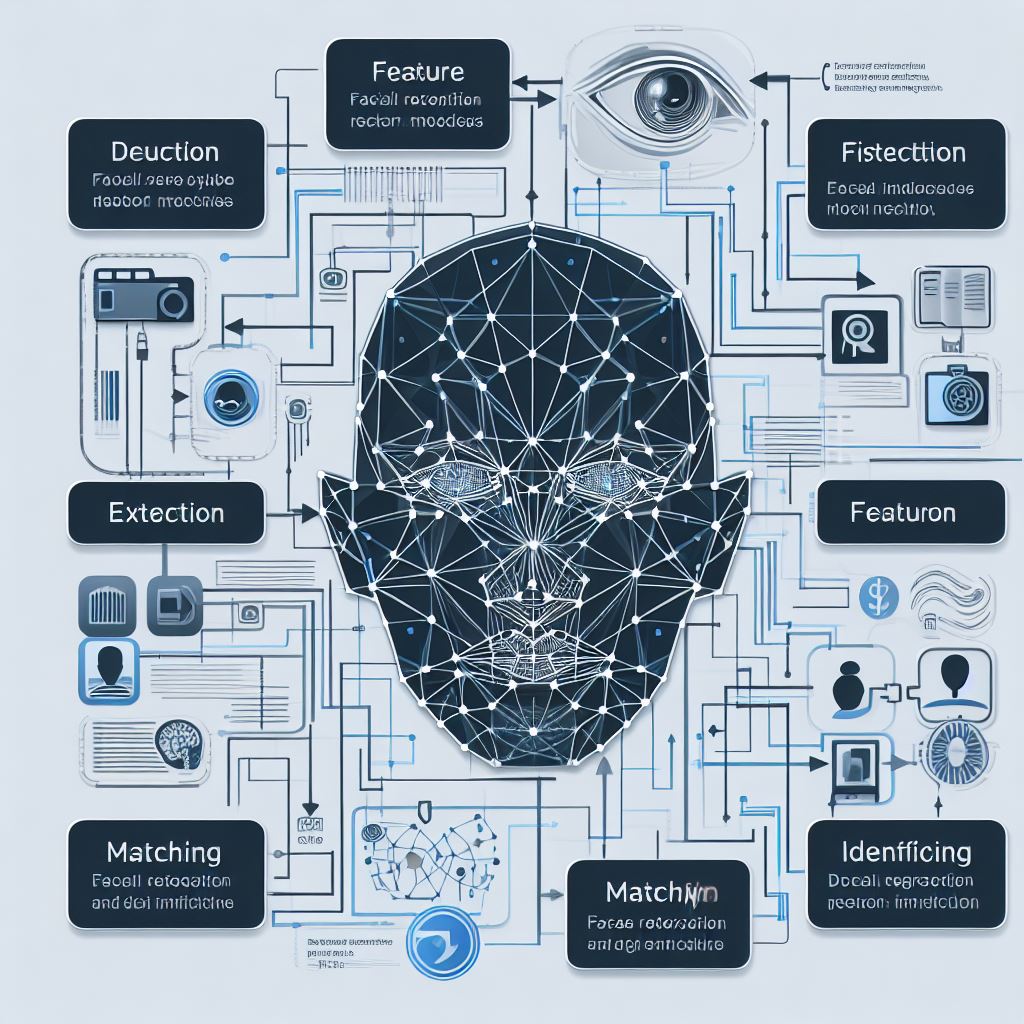
Technological Breakthroughs
The turn of the millennium witnessed significant technological breakthroughs. Advancements in
artificial intelligence and machine learning enabled the development of more sophisticated algorithms.
These algorithms could analyze and learn from vast datasets, improving accuracy dramatically.
Integration in Access Control
As the technology matured, its integration into access control systems became more prevalent.
The ability to quickly and accurately identify individuals made face recognition an ideal solution for
secure entry points. From corporate offices to government buildings, this technology started to replace
traditional methods like key cards and PIN codes.
Advancements in 3D Recognition and Liveness Detection
Recent years have seen the advent of 3D face recognition and liveness detection. These features address
earlier concerns like photo spoofing, adding an extra layer of security. 3D recognition, in particular, has
been pivotal in enhancing accuracy, as it is less affected by changes in lighting or facial expressions.
Current Trends and Future Prospects
Today, face recognition technology in access control is more than just identifying individuals; it's about
offering a seamless and secure experience. The integration of this technology with other systems, like
surveillance cameras and attendance systems, is paving the way for smarter, interconnected security solutions.
The future promises further integration with IoT and even more advanced AI capabilities, potentially
leading to even more personalized and adaptive security systems.
Conclusion
The evolution of face recognition technology in access control is a testament to human ingenuity and
adaptability. From its nascent stages to its current sophisticated form, this technology has not only enhanced
security but also redefined convenience and efficiency in access management.
Copyright © SCANMAX Technologies Co., Ltd. All Rights Reserved | Plan du site
Support technique :